.png)
Comfort, care, and confidence for every cycle.
Back to Blogs
 16 Mar 2026
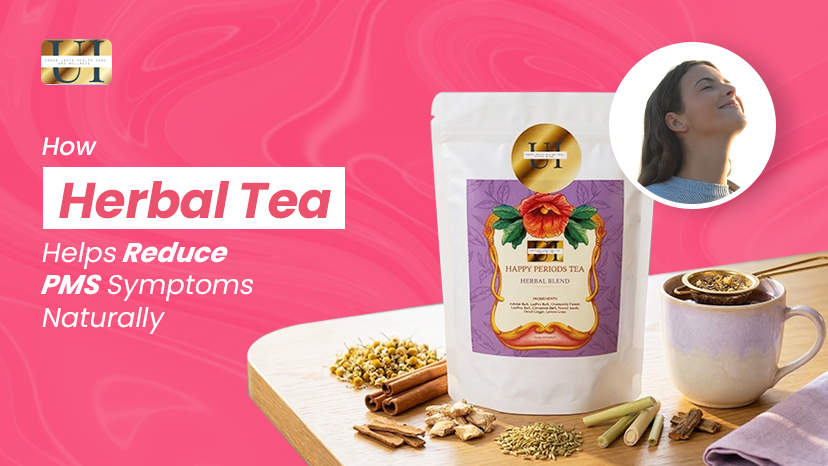
How Herbal Tea Helps Reduce PMS Symptoms Naturally
Premenstrual syndrome (PMS) is a condition that has afflicted millions of women all over the globe with symptoms that may include cramps, mood swings, bloating and tiredness. Although medications are beneficial, a lot of women prefer natural relief, and in particular, the solutions that promote hormonal balance and healthy digestion with no side effects. One of the most effective and gentle ways to ease PMS symptoms is through herbal tea for period care.
Premenstrual syndrome (PMS) is a condition that has afflicted millions of women all over the globe with symptoms that may include cramps, mood swings, bloating and tiredness. In this blog, we explore how specific herbal teas help reduce PMS symptoms — including tea for menstrual cramps — and how you can use them for better menstrual well‑being.
Why Choose Herbal Tea for Period Relief?
Herbal teas are shown to have been used in traditional medicine systems across the world in Ayurveda and Traditional Chinese Medicine (TCM). In contrast to drinks with caffeine, sugar, etc, herbal teas are made of plant leaves, roots, flowers, or seeds with naturally occurring compounds with treatments.
Hormonal changes during menstruation may lead to inflammation, muscle tension, stomach upsets and stress. Herbal teas can:
Relax muscles and reduce cramps
Support digestion and reduce bloating
Soothe stress, irritability, and mood swings
Provide antioxidants that promote overall health
This makes herbal tea for period a safe, available, and mild method to millions of women in need.
Top Herbal Teas That Reduce PMS Symptoms Naturally
Here are the most effective herbal teas for PMS and menstrual discomfort:
1. Chamomile Tea — Gentle Muscle Relaxant
Chamomile is an excellent tea to use in the case of menstrual cramps due to its anti-inflammatory and muscle relaxing effects. It has apigenin that is a substance which attaches to the brain receptors to alleviate anxiety and induce relaxation.
Studies also suggest that chamomile can help reduce uterine spasms, making it particularly effective for women who experience painful cramps and tension before or during their periods.
2. Peppermint Tea — Soothes Digestion and Reduces Bloating
The typical PMS symptoms are digestive discomfort and bloating. Peppermint tea has been referred to as relaxing the gastrointestinal tract. It assists in the relaxation of the intestinal muscles, which decrease gases and bloating and give a cooling and soothing effect.
Not only does peppermint tea ease digestion, but its menthol content also offers mild pain‑relief properties, making it another excellent tea for menstrual cramps.
3. Ginger Tea — Natural Anti‑Inflammatory Power
Ginger is a mighty herb that assists in combating inflammation- one of the causes of cramps, headache, and aching of the body during PMS. Studies indicate that Ginger is almost as effective as ibuprofen when it comes to alleviating menstrual herbal tea for some women, so it would be a good option as a herbal tea in support of her period.
Ginger also supports digestion and circulation, which can further ease discomfort and fatigue during menstruation.
4. Raspberry Leaf Tea — Hormone‑Balancing Support
Raspberry leaf tea has been used in women's health traditions for a long time. It is also filled with fragrance and other nutrients that aid the uterine health and could possibly tighten the muscles of the pelvic parts.
Although raspberry leaf tea does not act as a painkiller directly as ginger or chamomile, it promotes wellbeing of menstruation in general and possibly lowers the intensity of PMS symptoms with time.
5. Cinnamon Tea — Warm Relief for Cramps and Mood Swings
Cinnamon tea is not only tasty, it is also warm. The anti-inflammatory and antispasmodic effect of cinnamon is natural, and may be used to alleviate tea due to menstrual cramps, mood fluctuations caused by fluctuations in blood sugar levels.
Combined with honey or lemon, cinnamon tea is both therapeutic and soothing.
How Herbal Tea Works to Relieve PMS Symptoms
Herbal teas help in several key ways:
Relaxing Uterine Muscles
Many PMS symptoms — especially cramps — are caused by tension and spasms in the uterine muscles. Ingredients like chamomile and cinnamon contain compounds that act as natural relaxants, easing muscle tension and reducing the intensity of cramps.
Reducing Inflammation
Inflammation plays a big role in menstrual pain. Herbal teas such as ginger and cinnamon contain anti‑inflammatory compounds that reduce swelling and discomfort naturally.
Calming the Nervous System
Stress and anxiety often worsen PMS symptoms. Herbal teas rich in calming compounds — like apigenin in chamomile — can help soothe the nervous system and reduce mood swings.
Supporting Digestion
Digestive discomfort, nausea, and bloating commonly accompany periods. Peppermint tea and ginger tea help calm the digestive tract, reducing bloating and promoting comfortable digestion.
Tips for Brewing and Enjoying Herbal Tea
To get the most benefit from herbal tea for period or menstrual cramp relief, follow these tips:
Use fresh or high‑quality loose leaves when possible for stronger flavor and better medicinal properties.
Steep at the right temperature: Boil water fully, let it cool slightly, then pour over the herbs and steep for 5–10 minutes.
Consistency matters: Drink regularly before and during your period for maximum relief.
Add natural enhancers: A slice of lemon, a teaspoon of honey, or grated ginger can improve taste and amplify benefits.
Avoid caffeine near bedtime: Herbal teas are naturally caffeine‑free, making them ideal for late‑day consumption without disrupting sleep.
Precautions and When to Consult a Doctor
While herbal teas are generally safe for most women, it’s important to be mindful of the following:
Allergies: If you have plant allergies, check tea ingredients carefully.
Medication Interactions: Some herbs may interact with blood thinners or other medications.
Pregnancy: Always consult a healthcare provider before using herbal teas if you are pregnant or breastfeeding.
Severe Symptoms: If your PMS symptoms are severe or debilitating, speak with a gynecologist to rule out underlying conditions like endometriosis or fibroids.
Overall Summary: Nature’s Gentle Support for Period Health
The herbal teas are a natural, relaxing, and effective means of promoting menstrual health. Whether you choose herbal tea for period pain relief, bloat, stress, or destabilize hormonal balance, these botanical teas can comfort with similar reprieve as medication, which can lead to other unpleasant side effects.
From tea for menstrual cramps such as ginger and peppermint, as well as relaxing ones such as chamomile and raspberry leaf; herbal tea can be added to your routine and possibly also make your period become more tolerable, and even pleasant.
Let nature take care of menstruation health with the help of a herbal tea that is very warm and natural and has healing powers.
Shop Our Products