.png)
Comfort, care, and confidence for every cycle.
Back to Blogs
 09 Mar 2026
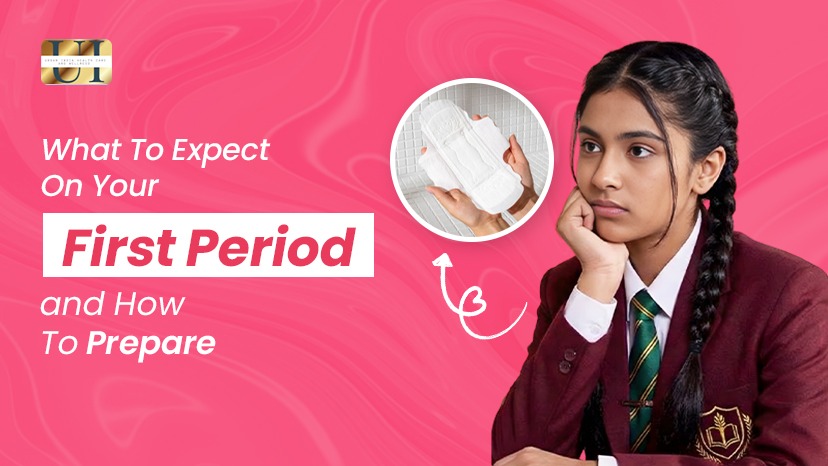
What To Expect On Your First Period and How To Prepare
Your first period is a major milestone — and while it's completely natural, it can feel overwhelming if you're not prepared. Knowing what to expect and having a well-prepared first period kit can make the experience calm, confident, and manageable.
The fact that your first period is one of the most significant milestones and while it's completely natural, it can feel overwhelming if you're not prepared. Knowing what to expect and having a well-prepared first period kit can make the experience calm, confident, and manageable.
Whether you're preparing for yourself, your daughter, or someone you care about, this medically informed and practical guide will walk you through what happens during your first period, common symptoms, and how to build a thoughtful menstrual kit that will support you through this period of growth and development.
Understanding Your First Period
Your first period — medically known as menarche — usually happens when you are aged between 9 and 15, although timing can vary. Every body develops differently, and there is no "perfect" age.
Before your first period begins, you may notice:
- Breast development
- Growth of pubic and underarm hair
- Body shape changes
- Occasional mood swings
- White or clear vaginal discharge
They are typical symptoms of puberty. When menstruation sets in, then this indicates that your reproductive system is maturing and it is beginning its monthly cycle.
The first period usually starts lightly, maybe in the form of spotting and can last between 2 to 7 days. The flow can be light or a bit uneven within the first year. This is absolutely normal since hormones regulations.
Common First Period Symptoms
Every person's experience is different, but some of the most common symptoms include:
Physical Symptoms
- Mild abdominal cramps
- Lower back discomfort
- Bloating
- Tender breasts
- Fatigue
- Headaches
Emotional Changes
- Mood swings
- Irritability
- Feeling sensitive about something more than usual
Hormonal fluctuations are the cause of these symptoms and they are mainly the estrogen and progesterone hormones. The majority of symptoms are mild and can be treated with the help of some basic comfort measures.
In case of severe pain or in case the periods are very heavy (wet through a pad every hour), one should consult a healthcare professional.
Why a First Period Kit Is So Important
Confidence is developed through preparation. A carefully packed first period kit would make sure that when the menstrual cycle starts, whether it be at school, at home or even when one is away they have everything they need right there.
Being prepared reduces:
- Fear of spontaneous bleeding
- Humiliation in social contexts
- Stress about hygiene
- Confusion about what to use
A first period kit is not only just about supplies but also emotional reassurance and self-care.
What to Include in a First Period Kit
An all-inclusive first period kit must be simple, discreet, and convenient. This is what the professionals suggest adding:
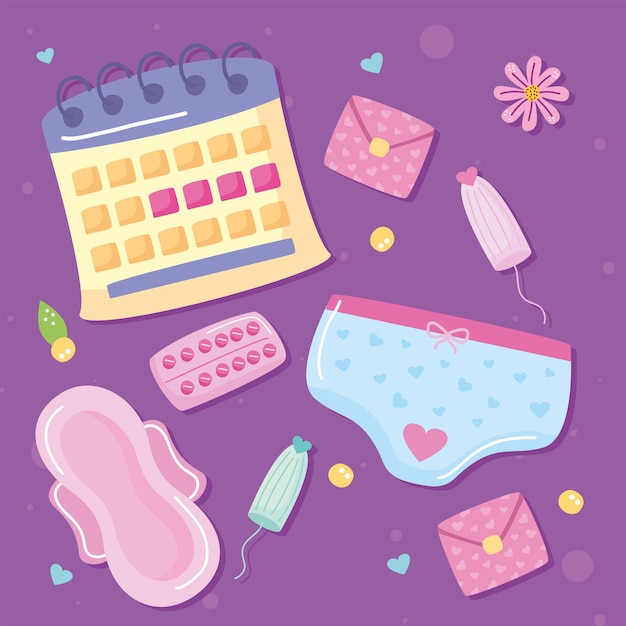
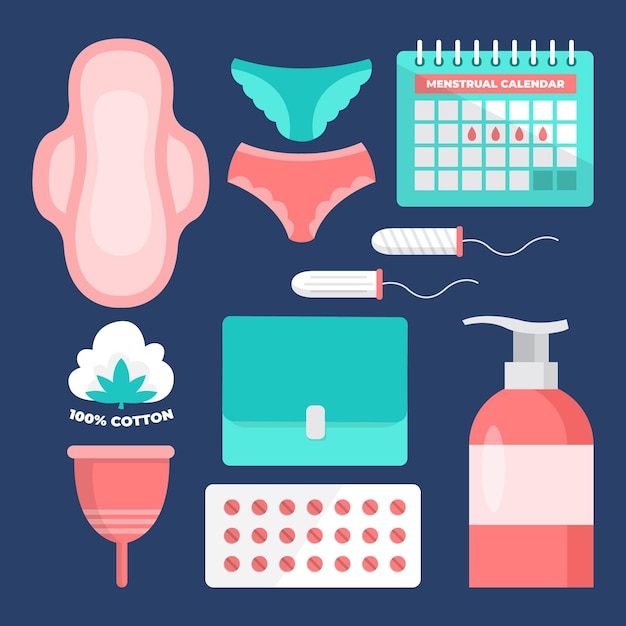
1. Sanitary Pads (Multiple Sizes)
The most useful and friendly menstrual product is normally the pads. Include:
- Light-flow pads
- Regular pads
- Overnight or heavy-flow pads
This enables flexibility because flow may change.
2. Panty Liners
Panty liners come in the very light days or when there is spotting at the start or end of a cycle.
3. Extra Underwear
Unscented pads are used to wipe and keep hygiene in case of pad changing, particularly not at home.
4. Disposable, Fragrance-Free Wipes
Sanitation is fast and makes sure that things are clean even in the absence of soap and water.
5. Hand Sanitizer
Quick sanitation ensures cleanliness when soap and water are not available.
6. Pain Relief (Parent or Doctor Approved)
Over-the-counter pain relievers such as ibuprofen can be used to alleviate cramps. Always take in the required dosage and consult a doctor in case of doubt.
7. Heating Patch or Mini Heat Pad
One of the best natural methods of getting rid of cramps is heat therapy. A little patch of heat can be a great relief in a first period kit.
8. Small Pouch or Discreet Bag
Stuff it all in a small, portable bag that can fit in a backpack.
Building a Thoughtful Menstrual Care Package
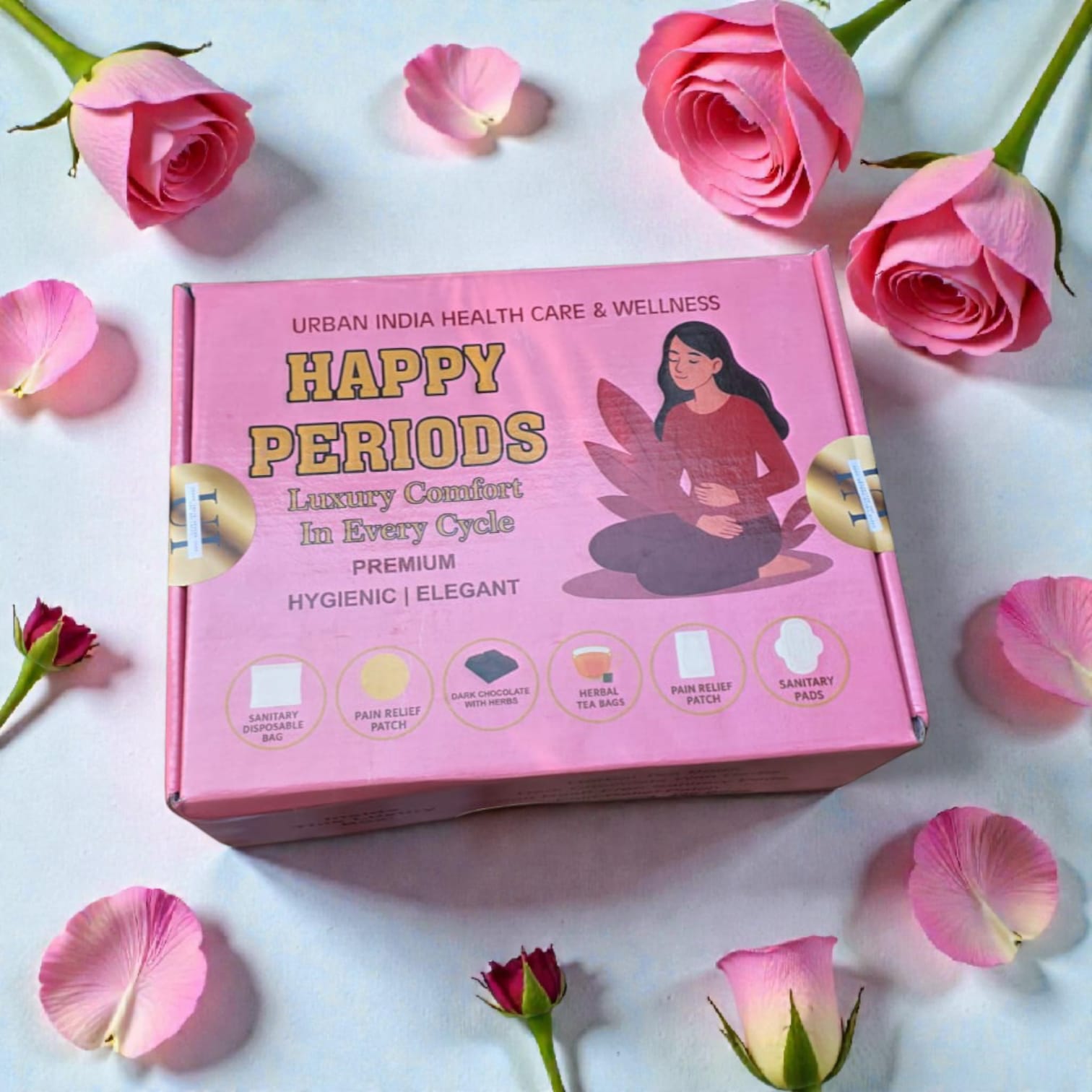
Though a first period kit makes a person ready to receive the first experience, a menstrual care package helps to continue the new cycles and adopt healthy practices.
A menstrual care package can include:
- Extra sanitary pads for monthly use
- Comfortable cotton underwear
- A reusable heating pad
- Herbal tea for relaxation
- A menstrual tracking journal or app recommendation
- Educational resources about cycle health
Creating a menstrual care package reinforces that menstruation is not something to hide — it's a normal biological process deserving of care and attention.
To caregivers, putting this package together can be a strengthening bonding process.
Managing First Period Cramps and Discomfort
The positive thing is that a majority of the symptoms of the first period are mild and can be dealt with.
Use Warmth
A heat pad or warm bath is used to relax the uterine muscles and relieve cramps.
Stay Hydrated
Consumption of sufficient water decreases bloating and fatigue.
Eat Balanced Meals
Fruits contain iron, which keeps the energy levels up.
Light Movement Helps
Light stretching or walking will help relieve pain.
Rest When Needed
Sleep helps in hormonal equilibrium and rest.
In case cramps disrupt daily life regularly, a healthcare specialist should be consulted to exclude such conditions as severe dysmenorrhea.
Emotional Support Matters
The first period is more emotional than physical. Menstruating younger women can be embarrassed, nervous, or confused. Harmful and accommodating dialogues make the experience normal.
Caregivers should:
- Introduce the topic before menstruation begins
- Use positive, reassuring language
- Demonstrate how to use pads properly
- Encourage questions without judgment
There is a ready first period kit that is supplemented with open communication that creates confidence throughout life regarding menstrual health.
When to See a Doctor
Although irregular cycles are common in the first year, medical guidance is recommended if:
- The periods extend beyond 8 days
- Bleeding is extremely heavy
- Severe pain prevents daily activity
- Periods have not started by age 16
Professional consultation provides timely prevention of possible hormonal or reproductive disorders.
Overall Summary: Confidence Starts with Preparation
The issue of your first period is not something to be afraid of, it is a sign of growth and development. The experience might become less intimidating and powering up with the appropriate knowledge and a properly prepared first period kit .
Taking it one step further with a comprehensive menstrual kit promotes ongoing comfort, hygiene, and confidence throughout each cycle.
The uncertainty is converted to assurance by preparation. As you will recognize your body and be equipped with the necessary basics, your first period will not be a milestone – it will be a confident starting point.
Shop Our Products